
Sapphire vs Mineral Crystal: Hardness, Cost, and the Right Pick
The clear window over your dial decides how your dive watch looks and reads for years. Here's how to choose.
Sapphire vs Mineral Crystal: Hardness, Cost, and the Right Pic
When most people shop for a dive watch, they look at the movement, brand, or water-resistance rating first. One crucial detail often gets overlooked: the crystal, the clear window protecting the dial.
On modern dive watches, that crystal is usually either mineral glass or sapphire. Both protect the dial, but they behave very differently in real-world use. The choice between sapphire vs. mineral has a big impact on how your watch looks and performs over months and years of wear.
Below, we'll break down the differences in scratch resistance, toughness, clarity, long-term value, and use cases. So, you can choose the right crystal for your next diver and understand which dive watches with sapphire crystal deliver the best durability.
In this dive watch buyer's guide for crystal & durability, you'll get why the type of crystal matters far more than most buyers realize.

🔍What Are Mineral and Sapphire Crystals?
Mineral Crystal (Mineral Glass)
Mineral crystal is a type of hardened, tempered glass. It offers:
- Moderate scratch resistance: tougher than window glass, but nowhere near scratch-proof.
- Mohs hardness around 5–6: meaning it resists light scuffs but scratches easily when rubbed against harder materials such as sand or rough stone.
- Better impact flexibility: mineral glass flexes slightly during shock, sometimes helping it survive drops or knocks with only chips rather than shattering.
Because it is affordable and durable enough for casual wear, mineral crystal is common in mid-range and entry-level dive watches.
Crystal type is one of several specs we balance when ranking the best value dive watches under $200.
Sapphire Crystal
Sapphire crystal is lab-grown sapphire (synthetic corundum), not glass. This gives it exceptional performance:
- Mohs hardness of 9: second only to diamond.
- Outstanding scratch resistance: keys, rock walls, metal edges, and most daily hazards cannot scratch it.
- Long-term clarity: sapphire remains visually sharp for years, even with heavy outdoor use.
Sapphire is used in nearly all high-end dive watches, professional tool watches, and enthusiast-grade divers. Today many modern brands offer accessible dive watches with sapphire crystal for buyers who want durability without luxury pricing.
In consumer surveys, 83% of watch buyers say sapphire crystal is the feature that best preserves a watch's new look over time, and 9 out of 10 luxury brands exclusively use sapphire for dive watches.
🛡️Scratch Resistance: Keeping Your Crystal Clear
For a dive watch used at the beach, gym, pool, ocean, or outdoors, scratch resistance is usually the most important crystal property.
Sapphire: Built to Stay Clean
Because sapphire is so hard, it easily resists:
- Keys, coins, and zippers
- Stone, brick, or metal surfaces
- Sand and quartz grains
- Scuffs from hiking, climbing, or diving gear
For most owners, a sapphire crystal still looks factory-new even after years of active use. This is vital for a dive watch because you need:
- High visibility of bezel and markers
- Clear reading in bright sun or underwater
- Zero haze or scratch distortion
According to industry tests, sapphire crystal is typically 9 times harder than mineral glass, which makes it virtually scratch-proof for everyday wear.
Mineral: More Prone to Wear
Mineral scratches much more easily from:
- Sand (quartz)
- Concrete, rough surfaces
- Accidental bumps
- Metal tools or gear edges
Mineral scratches are permanent, you cannot polish them out. Over time they create:
- A frosted, blurry surface
- Reduced light transmission
- Lower underwater readability
If you expect your dive watch to stay clear and sharp, sapphire has a major long-term advantage.
💎 Sapphire
- Virtually scratch-proof in daily wear
- Stays factory-clear for years / decades
- Best resale value & peace of mind
- Standard on high-end & pro divers
🔆 Mineral glass
- Scratches from sand, concrete, metal
- Scratches are permanent — can't polish out
- Slight flex can help in rare hard impacts
- Affordable; common on entry-level divers
💥Toughness & Shatter Resistance
Sapphire is harder but more brittle. Minerals are softer but tougher.
There is partial truth here.
Mineral: Slightly Better in Rare Extreme Impacts
Because mineral glass flexes a bit, it sometimes survives a sharp, sudden impact with only a chip or crack.
Sapphire: Tough Enough for Real Life
Modern sapphire is extremely durable thanks to:
- Proper case design
- Adequate thickness
- Secure gaskets
- Improved manufacturing processes
Professional divers consistently report that sapphire crystal maintains clarity 3–5× longer than mineral during long-term outdoor use.
More importantly:
- Scratches happen weekly
- Shattering is extremely rare
According to watch-glass durability reviews, mineral glass tends to show wear and require replacement every 2–3 years under regular use, whereas sapphire crystals maintain clarity and integrity for decades.
🌊Clarity & Legibility Above and Below Water
A dive watch is a safety tool, your reading should be instant.
Glare & Reflection
Sapphire naturally has a higher index of refraction; ~1.8 compared to ~1.47 for typical glass, which can make it more reflective.
- Anti-reflective (AR) coatings on one or both sides.
AR-coated sapphire offers:
- Sharper, higher-contrast viewing
- Near-invisible crystal effect
- Better visibility underwater and in bright sun
Mineral crystals can also use AR, but cheaper models often omit it, and once scratched, the AR coating degrades visually.
Long-Term Optical Performance
Brand-new minerals and sapphire are both clear.
After years:
- Sapphire: remains clear
- Mineral: slowly becomes cloudy from micro-scratches
For divers, this means sapphire maintains safe, accurate readability.
Domed Crystals & Underwater Distortion
Mineral domes can distort the dial at angles. Double-domed sapphire eliminates distortion, giving:
- Clear viewing at any angle
- Accurate readability
- A premium vintage aesthetic
This is why modern premium dive watches prefer sapphire domes.
Consumers rate sapphire's readability 27% higher than mineral in bright-light conditions.
💰Cost, Value & Long-Term Ownership
Why is sapphire not on every watch? Because sapphire:
- Costs more to produce
- Requires diamond tooling
- Is more difficult to shape, especially in domed or beveled forms
Why Sapphire Is Still the Best Long-Term Value
Sapphire pays for itself by:
- Preventing costly crystal replacement
- Keeping your watch visually new
- Improving resale value
- Giving peace of mind, no need to baby your diver
If you want a watch that stays pristine for years, sapphire is the clear winner.
Long-term owners report that mineral crystals lose 15–25% clarity after 3 years of outdoor use, while sapphire maintains over 95% of its original transparency.
For active divers and everyday wear, sapphire is the long-term winner — and you don't need luxury pricing to get it. Our TitanPro 43mm titanium diver pairs a sapphire crystal with a 300m case.
✅When Mineral Crystal is Recommended to Buy
Though sapphire is superior overall, mineral is suitable for:
1. Tight Budgets / First Dive Watches: Ideal when affordability is the priority.
2. Vintage Lovers: Mineral gives a warm, retro distortion that some enjoy.
3. High-Impact Work: If scratches don't bother you and your environment risks hard knocks, mineral's slight impact forgiveness can help.
However, for most buyers, sapphire is still the better choice.
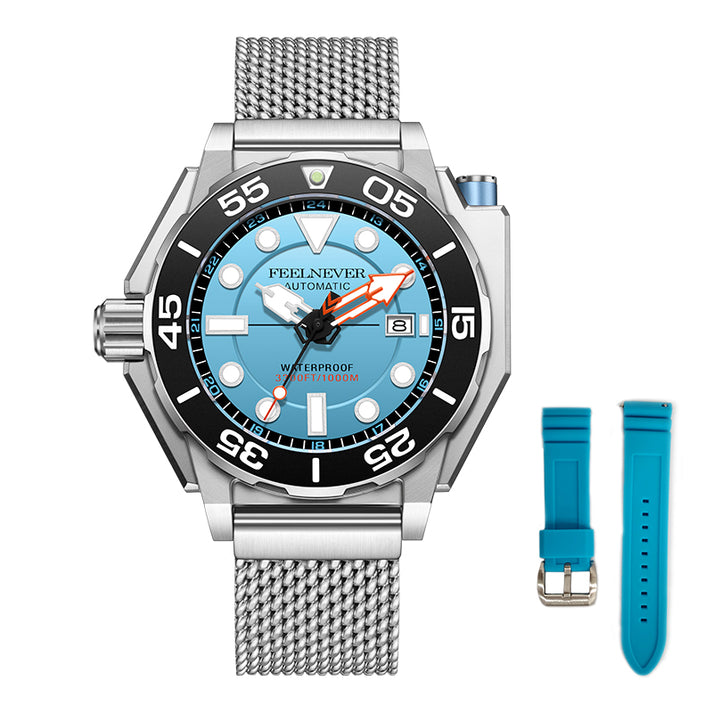
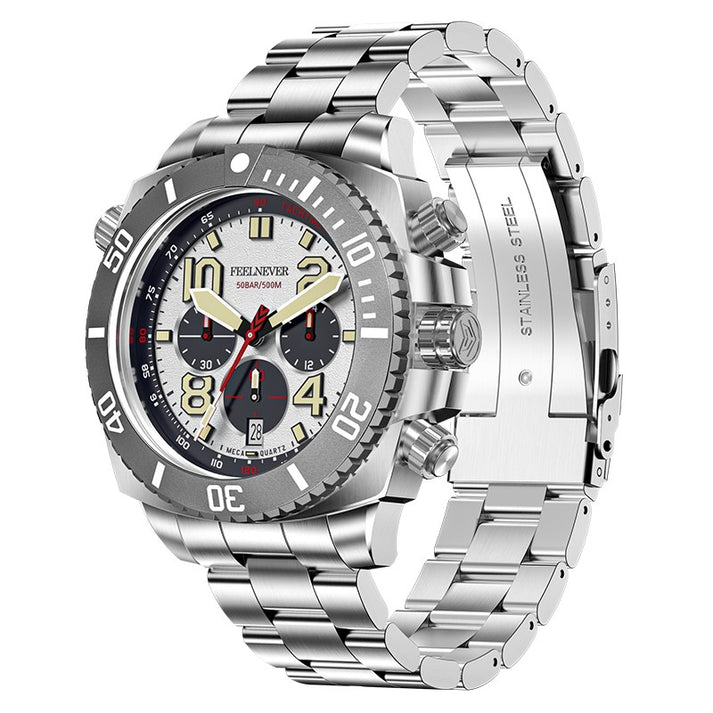
Sapphire-crystal divers from FutureWristTech
Built to stay clear — three sapphire-equipped options for real life.
Final Verdict: Start Your Lifestyle with Best Crystal Watch
Ready to upgrade to a watch that stays clearer, lasts longer, and performs anywhere you go? Choose sapphire, and choose a diver built for real life
Explore our full collection of sapphire crystal dive & chronograph watches and experience the difference for yourself. Shop now. Dive confidently. Wear durability every day.
If you also want a lighter premium case for everyday comfort, explore our titanium dive watches.
🔗 Reference this guide
Watch blogs and writers are welcome to cite this comparison. Copy the ready-made citation below.
Loading citation…